Manna Electric · Homeowner guide
Preparing the Electrical Work for a Heat Pump or Mini Split
Plan the electrical side of a heat pump or mini split: equipment documents, capacity assessment, wiring routes, permits, and contractor coordination.
← More electrical guides
A heat pump quote can describe room comfort, equipment locations, and efficiency while leaving the electrical work unclear. Before agreeing on an installation date, establish who will assess the electrical supply, what equipment information they need, and who is responsible for each part of the job. That coordination can prevent a finished mechanical installation from waiting on an unresolved circuit or service issue.
Begin with the selected equipment, not a generic breaker size
“Mini split” does not identify a universal electrical requirement. Ask the HVAC contractor for the exact indoor and outdoor model numbers, the equipment submittal, and installation instructions. Include any planned auxiliary electric heat or related equipment. The electrician needs the actual system information rather than a photograph of a similar unit or the number of rooms being served.
The documents may include minimum circuit ampacity and maximum overcurrent protection values. Those labels serve different design purposes; they are not a homeowner’s wiring recipe. Leave conductor selection, protective-device selection, and connection details to the professionals. If the model changes, send the revised documents before electrical work proceeds.
Seattle’s heat pump background guide also recommends a proper heating-load calculation for equipment selection. Heating demand and electrical service capacity are separate assessments, even though both affect the overall project.
Check capacity before assuming the panel needs replacement
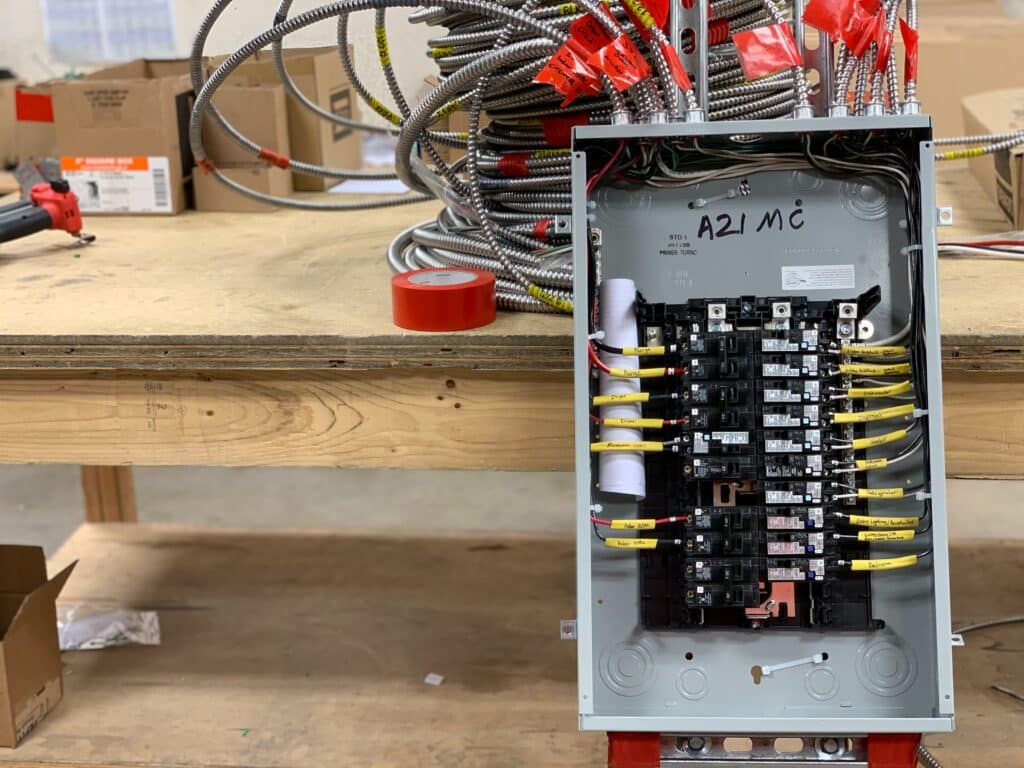
Ask for an electrical capacity assessment based on the existing home and proposed equipment. Share information about the range, water heater, dryer, existing heat, EV charging, and other substantial loads. Mention likely future projects so the discussion can account for them without treating every possible upgrade as necessary today.
A visible empty breaker space does not, by itself, prove there is capacity for the new equipment. Conversely, planning a heat pump does not automatically require replacing the panel or increasing utility service. Seattle City Light’s service planning guidance emphasizes understanding a property’s capacity and load before adding heat pumps or other equipment.
Ask the electrician to distinguish three possible scopes: a new branch circuit using existing capacity, work involving the panel, and a utility service change. If a larger project is recommended, request the finding that makes it necessary and a written explanation of the proposed work.
Agree on locations and routes together
Before the circuit route is finalized, have the contractors coordinate the outdoor unit, indoor equipment, electrical disconnects, and access for future service. A route that looks simple on a floor plan may encounter a finished ceiling, crawlspace, exterior cladding, or an area that needs protection from weather.
You can help by sharing access restrictions, preferred visible routes, and information about recent remodeling. Ask whether the quote includes wall or ceiling openings, patching, painting, and any exterior sealing. Clarifying these boundaries is useful even when the electrical installation itself is straightforward.
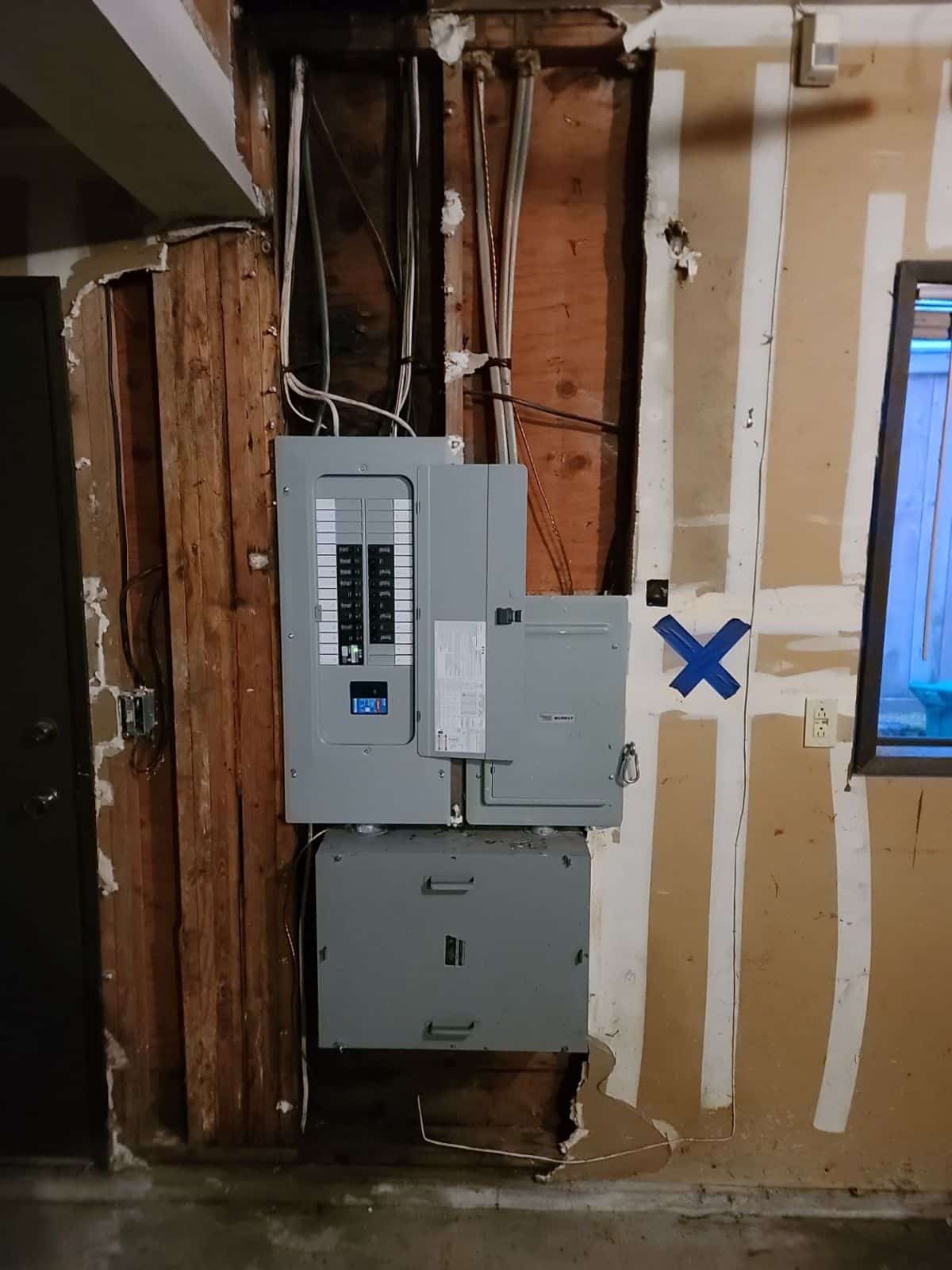
Do not clear access by moving electrical equipment, opening a panel, or removing a disconnect cover. Provide safe access to the work area and let the contractors determine how to perform the assessment.
Make permits and responsibilities explicit
Washington L&I says most electrical work requires a permit, with specific exceptions, and that a hired electrical contractor must obtain its own permit for the work it performs. The correct permitting authority depends on the address. Ask who obtains the electrical permit, who requests inspection, and whether mechanical permits are handled separately.
If the project involves a utility service change, utility coordination becomes a separate step. Do not assume the HVAC installation date also confirms utility scheduling. Ask which approvals, equipment selections, and inspections must happen before startup.
- Who supplies and installs each electrical component?
- Who confirms final model numbers and any changes?
- What access or household power interruption should you plan for?
- Who receives inspection results and keeps the documents?
- Who confirms the completed system is ready for commissioning?
Keep a useful handover package
Request the completed circuit identification, equipment instructions, relevant permit and inspection records, and the contacts for electrical and HVAC follow-up. Ask how to respond if the new system trips a breaker or loses power. Repeatedly resetting a circuit is not a substitute for a callback and diagnosis.
For electrical planning in Monroe or Greater Seattle, contact David at Manna Electric with the HVAC proposal and model information. Use the electrical services and panel installation pages as context, then ask what scope your particular home needs.
Frequently asked questions
Can I get an electrical assessment before choosing a heat pump?
Yes. An initial capacity discussion can identify planning constraints. Final circuit design and scope still need the selected equipment’s documentation.
Can an old heater circuit be reused?
Possibly, but do not assume it. The electrician must evaluate its suitability for the selected equipment, including the wiring, route, protection, and condition.
Who should I call if the heat pump loses power after installation?
Follow the handover instructions and contact the responsible contractor. Describe any trip or warning signs, stop repeated reset attempts, and call 911 first for fire or immediate danger.
References
Talk through your home’s electrical needs
Share your city or ZIP and the work you have in mind. David can discuss the next step and confirm coverage and availability.
Contact David