Manna Electric · Homeowner guide
Buying an Older Seattle-Area Home: Electrical Questions Before Closing
Buying an older Seattle-area home? Ask focused questions about electrical records, wiring, panels and future plans before your decision deadlines.
← More electrical guides
An older Seattle-area home can have several generations of electrical work behind the walls. A renovated kitchen, new outlets or a modern-looking panel tells only part of that history. Before closing, focus on what has been evaluated, what remains uncertain and how the system fits your plans.
These questions can help organize a discussion with your home inspector and electrician. Ask your real-estate and legal advisers how technical findings relate to your transaction and deadlines. No visual tour, permit search or single inspection can establish every hidden condition.
What does “updated electrical” actually mean?
Ask the seller for a description of the work, dates, contractor information, available permits and inspection results. A panel replacement, kitchen rewire and whole-house rewire are different scopes. Request enough detail to understand which areas were included.
Compare the description with available records. Seattle’s electrical inspection guidance directs users to the Seattle Services Portal for results and notes. Elsewhere, use the authority serving the property; Washington L&I explains that some cities handle their own electrical permitting and inspection.
An issued permit and a completed inspection are different pieces of information. Ask for the recorded outcome and any unresolved notes. If documentation is missing, describe it as missing evidence rather than treating it as proof that work was never done.
What wiring systems are present and still active?
Ask the inspector or electrician to identify the wiring types observed, where they were visible and what could not be accessed. If knob-and-tube wiring is mentioned, ask whether the finding concerns active wiring, abandoned remnants or an uncertain condition. Have the professional explain the basis for that conclusion and any recommended follow-up.
If aluminum branch-circuit wiring is identified, request a specific assessment and documentation of any remediation. CPSC’s aluminum-wiring guidance distinguishes older branch-circuit concerns from larger aluminum conductors used for other applications. A vague statement that a house “has aluminum” does not define the issue.
CPSC recommends qualified evaluation and appropriate permanent remediation for the affected older aluminum branch-circuit system. Ask which connections were addressed, by what method and what remains unverified. A new faceplate or replacement device does not document a complete repair.
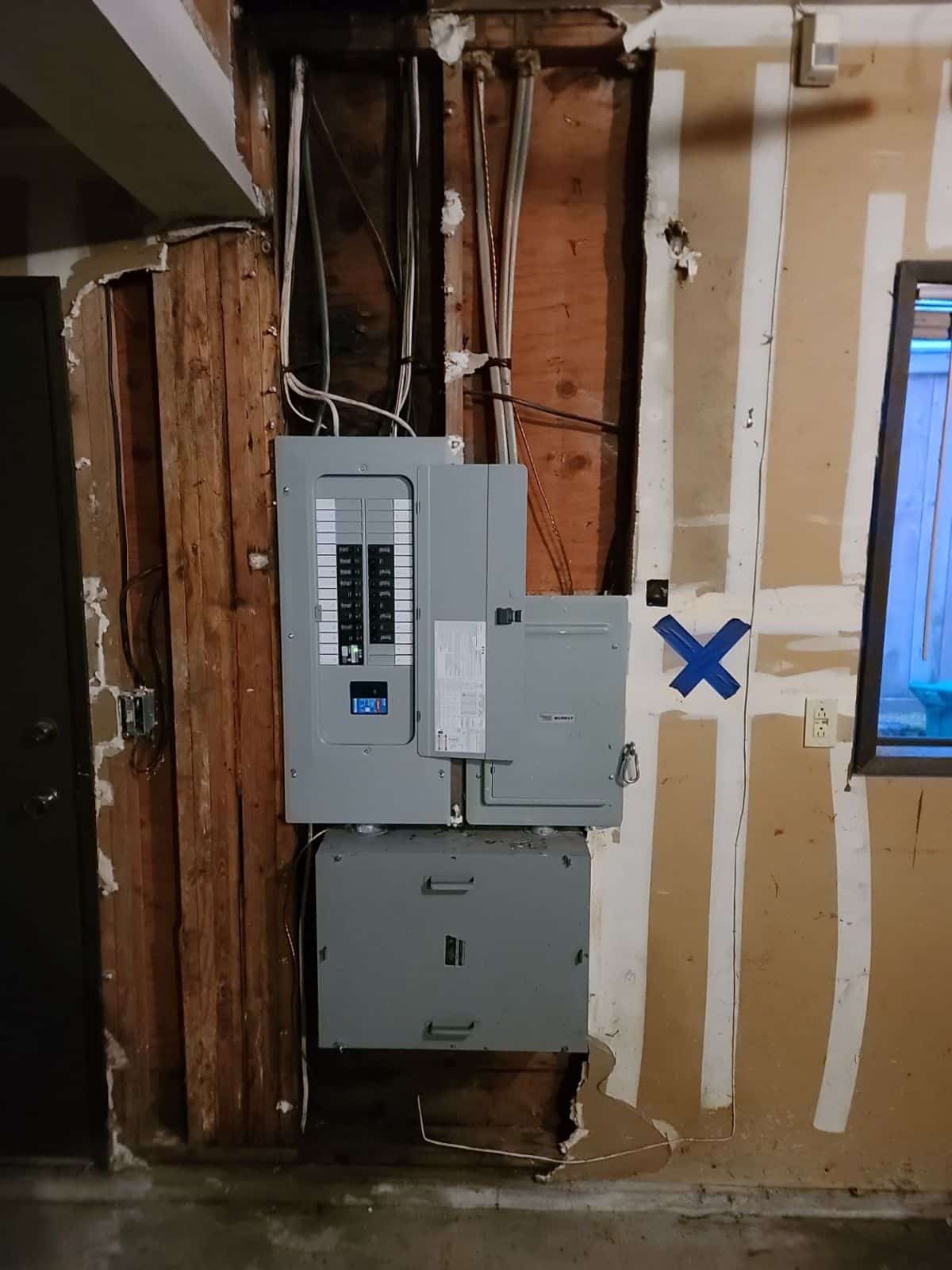
What does the panel evaluation actually cover?
Ask for the panel identification, observed condition, circuit labeling and any limitations on access. Let qualified professionals inspect internal equipment. A buyer should not remove covers or handle wiring to gather more information.
Separate current-condition findings from future-capacity planning. Tell the electrician if you intend to add induction cooking, a heat pump, an EV charger, a workshop or other substantial equipment. Ask whether a load assessment is needed. Empty breaker spaces or a service-rating label alone do not answer every question about a proposed addition.
If a replacement is recommended, ask what finding supports it and what the proposed scope includes. Our electrical panel installation information can help frame those follow-up questions.
Are everyday use and protective features understood?
Discuss representative outlets, lighting, grounding and protective-device findings with the inspector. Ask which areas were checked and how limitations were recorded. New three-slot receptacles and fresh paint are not substitutes for an electrical assessment.
Ask about any history of tripping, dead outlets, unusual heat, flickering or odors. CPSC lists flickering lights, hot faceplates and burning-plastic odors among trouble signs; an absence of reported symptoms does not resolve hidden concerns.
During a viewing, limit your own notes to safe observations and questions. Do not open equipment, repeatedly reset tripping devices or deliberately load circuits to see what happens.
Turn the findings into a decision-ready record
Request a written scope for recommended follow-up. It should identify the observed concern, accessible evidence, unanswered questions and proposed next step. Ask whether access, utility coordination or further investigation would be needed to define repairs.
- Keep safety findings separate from optional improvements.
- Record the limits of each assessment.
- Match repair descriptions to specific locations or equipment.
- Retain permits, inspection outcomes and relevant photographs supplied by professionals.
Share the technical findings with your advisers while there is time to consider them. An electrician can explain electrical conditions and scope; decisions about contingencies, insurance or closing belong with the appropriate adviser or provider.
Review our electrical services, then contact David at Manna Electric with the inspection report, available records and your future electrical plans to discuss an assessment of the identified concerns.
References
- Washington L&I: Electrical Permits, Fees & Inspections
- CPSC: Repairing Aluminum Wiring, Publication 516
- Seattle SDCI: Electrical Inspections
Common questions
Does a new panel mean the entire house was rewired?
No. Ask for the actual scope and supporting records. Panel work can be separate from the branch circuits serving rooms and outlets.
Is a missing online permit proof of unpermitted work?
No. It is a reason to investigate the records and their limitations. Ask the relevant authority what information is available before drawing conclusions.
Should I ask for an electrical assessment in addition to a home inspection?
A focused assessment may help when the report identifies electrical concerns or your planned additions raise capacity questions. Clarify its scope, access limits and available timing.
Can an electrician tell me whether I should close on the house?
An electrician can explain technical findings and proposed work. Your real-estate, legal, insurance and lending advisers should address the transaction decisions within their roles.
Talk through your home’s electrical needs
Share your city or ZIP and the work you have in mind. David can discuss the next step and confirm coverage and availability.
Contact David