Manna Electric · Homeowner planning guide
Planning Home Backup Power: Generators, Transfer Equipment, and Your Priorities
Choosing home backup power starts with deciding what you need during an outage. A generator’s advertised wattage is only part of the decision. The equipment must work with your home, have an appropriate connection, and fit an operating plan your household can follow. Use the planning conversation to resolve those questions before buying equipment.
Write down what needs to keep working
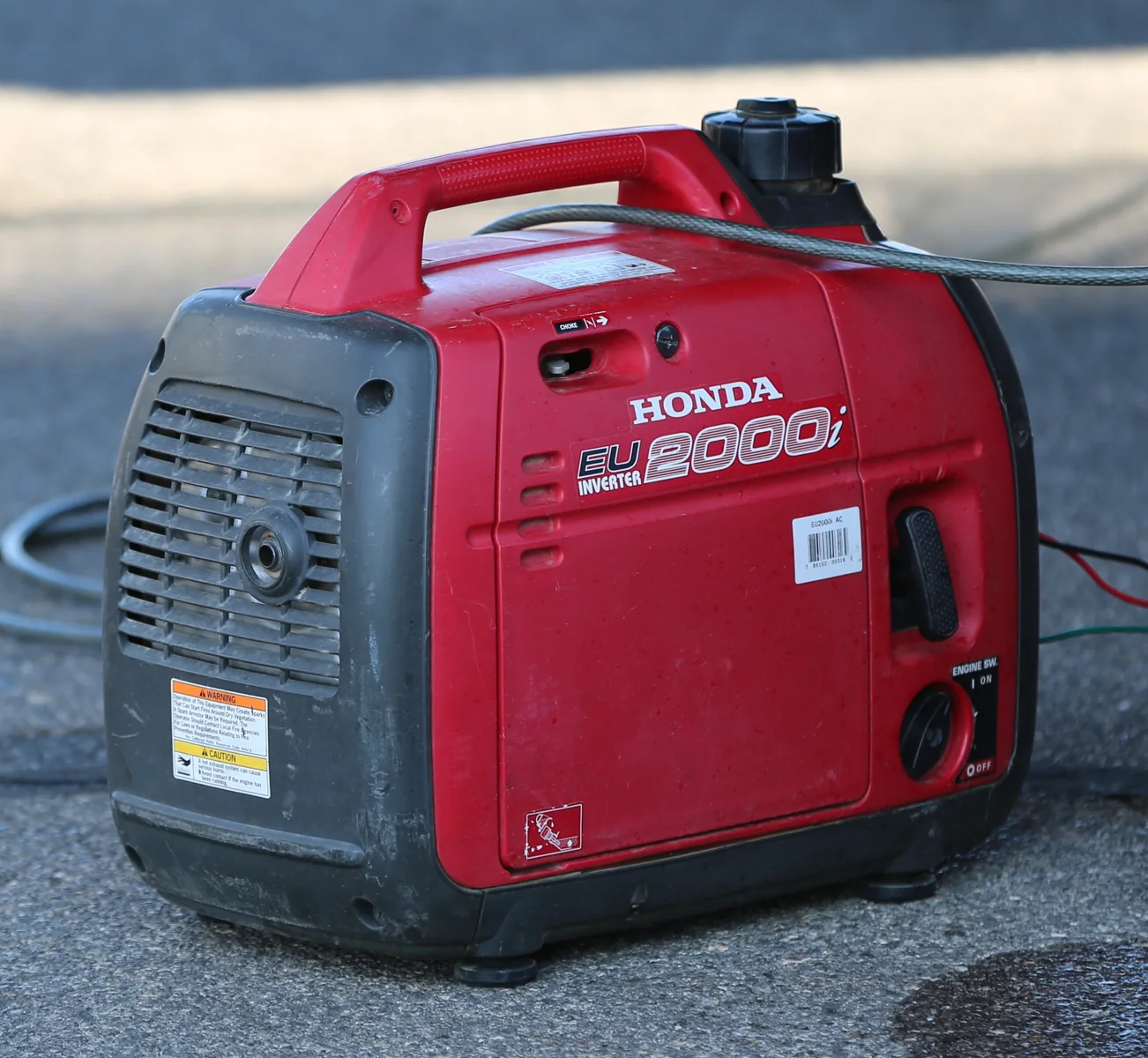
Make a list of the things you want to support: refrigeration, selected lights, communications, or particular heating and pumping equipment. Separate essential needs from conveniences. Record available equipment model information and tell the electrician which items you expect to use together. This gives the assessment a practical purpose.
Ask how starting demands and simultaneous use affect the design. A plan for a few selected circuits may look different from a broader backup system. If someone depends on powered medical equipment, discuss continuity needs with the equipment provider as well; a home generator alone should not be assumed to cover every interruption.
Think about daily routines, too. Would someone be home to set up a portable unit? Can the household safely manage the required tasks in darkness or poor weather? Tell the electrician about practical limitations before selecting a system. These questions help distinguish a backup arrangement that looks adequate on paper from one that fits the people who will use it.
Compare portable and automatic options
A portable generator involves decisions about storage, moving the unit, fuel, and who will operate it. A permanently installed standby system introduces different equipment, site, and maintenance questions. Ask what each approach would require at your property rather than assuming they deliver the same experience.
The Department of Energy describes an automatic transfer switch as equipment that transfers a load between the primary supply and a backup source while preventing backfeeding. Ask the electrician to explain the proposed transfer arrangement and whether household action will be required when utility power fails or returns.

Treat the home connection as part of the project
A generator must not be connected to house wiring through a normal wall outlet. That can create dangerous backfeeding. Have a qualified electrician specify the appropriate transfer equipment and connection for the generator, panel, and loads. Do not improvise adapters or assume equipment left by a previous owner is compatible.
If you already own a generator, provide its model number and manual before the assessment. Describe existing transfer equipment without opening electrical enclosures. Ask whether the proposal includes evaluation of that equipment, labeling, and a demonstration of the completed system.
Plan a safe operating location
Portable generators produce deadly carbon monoxide. CPSC advises using them outdoors only, at least 20 feet from homes, with exhaust directed away, and never inside a home, garage, basement, or shed. Open doors do not make indoor operation safe. Maintain working carbon monoxide alarms.
Discuss the actual outdoor location before installation. The plan must account for manufacturer instructions, openings, neighboring buildings, access, weather exposure, and safe fuel handling. A convenient connection point is not sufficient if the generator cannot be operated safely there. Permanent equipment also needs a location assessment specific to that system.
Agree on the scope and the handoff
Ask who is responsible for electrical permits and inspections, any fuel-system work, site preparation, and maintenance. L&I says a hired electrical contractor must obtain the permits for its electrical work; permitting authority depends on the property. Clarify these responsibilities in the written proposal rather than leaving them for installation day.
Before the project is closed, request operating instructions, a demonstration, equipment documents, and an explanation of what the system can support. Decide who will maintain the equipment and how the household will stay familiar with it. To start a conversation with Manna Electric, share your city, priority loads, and any generator or transfer-equipment model information you already have.
Planning references
- U.S. Department of Energy: Equipment operations and maintenance summaries—automatic transfer switches
- U.S. Consumer Product Safety Commission: Generators and engine-driven tools
- U.S. Consumer Product Safety Commission: Carbon monoxide information center
- Washington L&I: Electrical permits, fees and inspections
- U.S. Consumer Product Safety Commission: Generator backfeeding warning
General planning information. The appropriate electrical work depends on your equipment, property and the authority responsible for permits and inspections.