Manna Electric · Homeowner guide
Why a Breaker Keeps Tripping—and What to Tell an Electrician
Learn what repeated breaker trips can mean, when to stop using a circuit, and which observations help an electrician investigate the cause.
← More electrical guides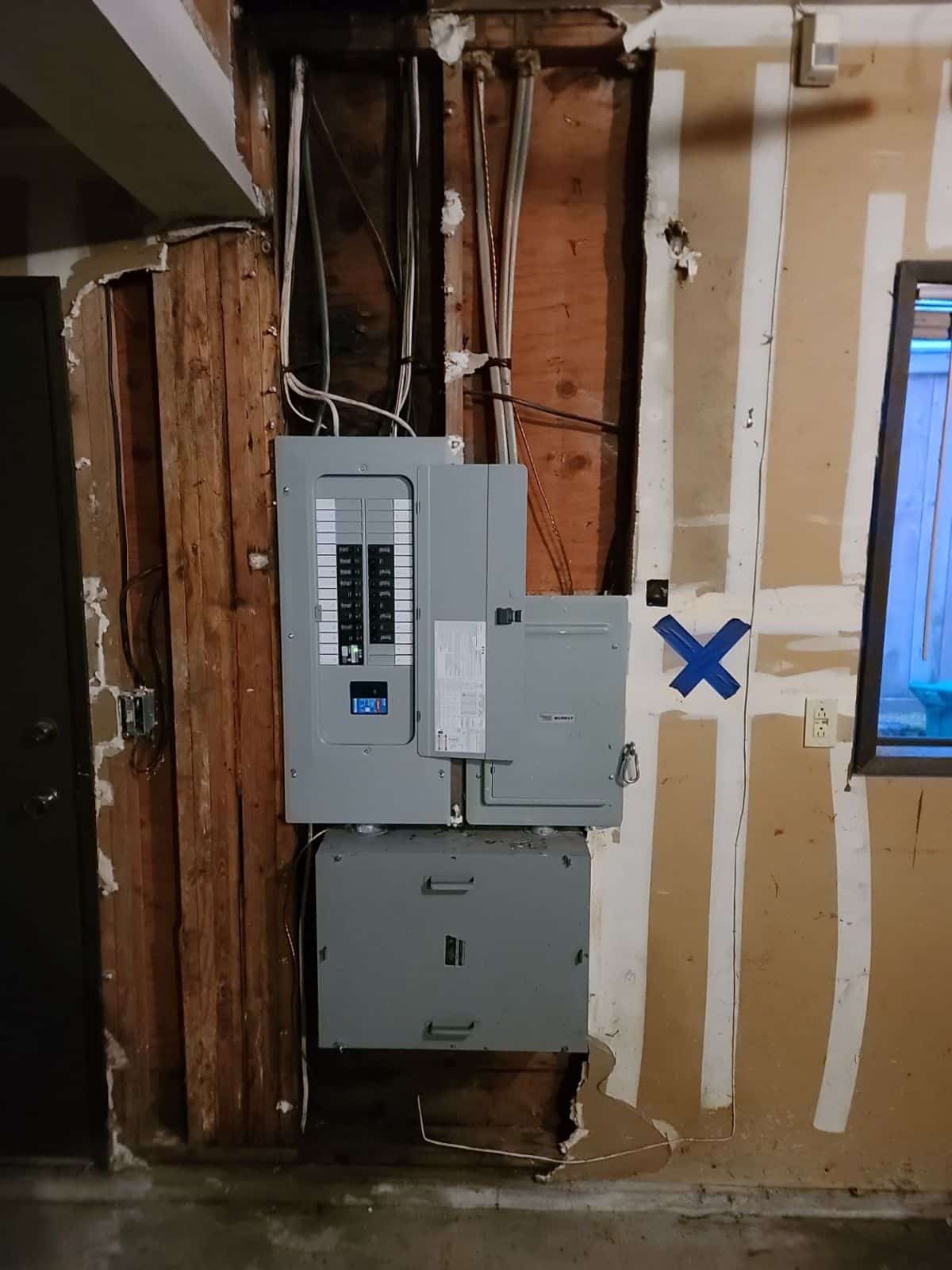
A breaker that keeps tripping is giving you information about a circuit. It is not a reason to install a larger breaker or keep trying until the power stays on. The useful next step is to stop the repeated cycle, note what happened, and have the cause assessed. A short, specific description often helps more than a guess about which part has failed.
Several different problems can interrupt power
A circuit can trip because the equipment drawing power exceeds what the circuit is designed to carry. It can also trip because of a short circuit, a ground fault, or an arc-fault condition when the installed device provides that protection. Schneider Electric’s GFI breaker guidance identifies overloads, short circuits, and ground faults as distinct causes and warns against bypassing protection.
For example, a portable heater operating alongside other equipment may create a different investigation from a trip that occurs whenever one specific tool is connected. Neither pattern proves the diagnosis. A trip with little obvious equipment running still deserves attention; the circuit may supply more outlets or fixed equipment than its panel label suggests.
A worn or unsuitable device can also be part of an investigation. An electrician should establish the cause before proposing replacement. Changing the breaker alone may leave the original problem in place.
First, decide whether it is safe to stay nearby
If there is smoke, fire, active arcing, or a burning smell suggesting fire, leave the area and call 911 from a safe location. Do not approach a panel that is wet, damaged, sparking, or making alarming noises. Water around electrical equipment calls for distance, not an attempt to dry it or restore power.
For a repeated trip without those signs, stop using the affected circuit and request electrical help. Do not hold a breaker on, tape a handle, increase its rating, or replace a protective breaker with a different type to avoid trips. Avoid moving a suspected faulty appliance to another outlet as an experiment.
If essential medical equipment loses power, follow the equipment provider’s backup plan immediately and get emergency assistance when needed. Electrical troubleshooting should not delay care.
Record the pattern without recreating the fault
You do not need to make the breaker trip again for the electrician. Use what you already observed:
- Timing: Did it trip immediately, after several minutes, or overnight?
- Equipment: What was running, starting, or newly plugged in?
- Extent: Which rooms, outlets, lights, or fixed appliances stopped working?
- Conditions: Had it rained? Was there a leak, recent construction, or an outdoor cord in use?
- History: Was this the first occurrence, and has the pattern changed?
A useful message might be: “The kitchen circuit lost power twice this week after the kettle and toaster were used together. We stopped using it. There was no smoke or smell.” If you do notice odor, discoloration, buzzing, or shock sensations, include that information at the start of the call.
Photograph the visible circuit label only if the panel area is safe. Keep the cover attached. If there is an indicator light or displayed fault code, record it without opening equipment or pressing controls to reproduce an event.
Ask for a diagnosis before choosing a project
The service visit may involve identifying what the circuit supplies, checking equipment and connections, and evaluating the installed protection. Ask the electrician to explain the finding, what repair is needed, and whether any recommended improvement is separate from that repair.
Repeated trips do not automatically mean the entire panel needs replacement. If added electrical demand is the issue, a dedicated circuit or broader capacity assessment may be considered. A panel project should follow the home’s actual needs and condition.
Homes around Monroe and Greater Seattle have varied electrical histories. Share any records from a remodel or appliance installation rather than assuming the existing panel directory is complete. Ask about permits and inspection for the proposed scope.
Give David the observations that matter
Contact David at Manna Electric with the affected circuit, timing, and equipment involved. For urgent problems, review the emergency electrical page and describe the warning signs clearly. Active fire or immediate danger requires 911 first.
Frequently asked questions
Can a power strip solve an overloaded circuit?
No. Adding sockets does not add circuit capacity. Tell the electrician about every device sharing the circuit, including equipment in other rooms.
Should I buy a replacement breaker before the visit?
Wait for the diagnosis. Breaker selection must match the equipment and required protection, and the cause may be elsewhere in the circuit.
What if the circuit label is wrong or missing?
Describe what lost power and say that the label is uncertain. Ask for the affected circuit to be identified and its directory information corrected as part of the work.
References
Talk through your home’s electrical needs
Share your city or ZIP and the work you have in mind. David can discuss the next step and confirm coverage and availability.
Contact David